



EL PASO, Texas (KTSM) — A professor at the University of Texas at El Paso (UTEP) talked about the meaning and history behind the “Dia de los Muertos” (Day of the Death) holiday that many celebrate.
Yolanda Chavez-Leyva, professor at UTEP, told KTSM the holiday is an ancient celebration of ancestors.
Chavez-Leyva also said the holiday was strong amongst Indigenous people in Central and Southern Mexico.
“It’s a way to remember what they brought to the world. So, it’s really about keeping their memory alive, but it’s also about connecting ourselves to all the people that came before us,” Chavez-Leyva said.
The people that are remembered on the day are those that have passed away.
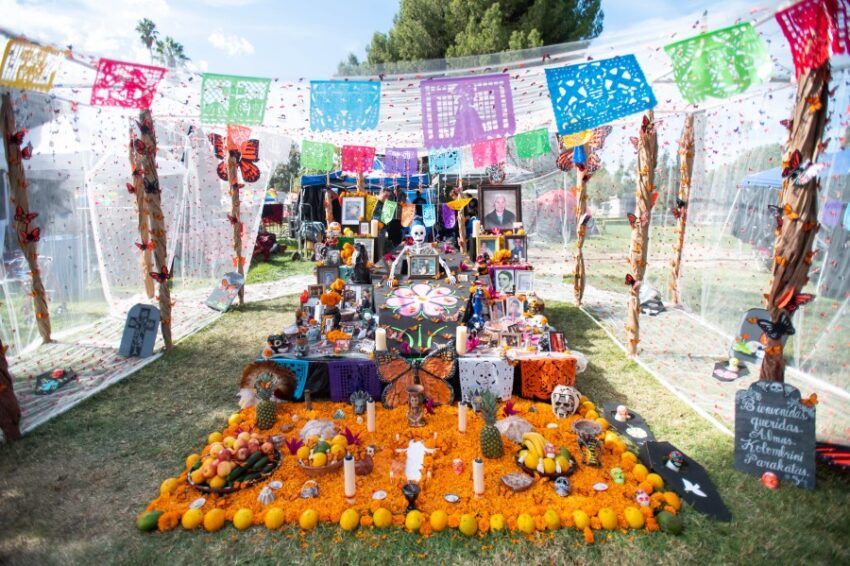
Chavez-Leyva said people celebrate by visiting cemeteries, cleaning graves and setting up alters with food, drinks and photos.
“Whether it’s the candy skulls or the marigold flowers, the food that it’s left on the altar is all of that that has very ancient roots,” Chavez-Leyva said.
“The photo also represents that they’re still here with us, and they could be here with us in our hearts. They could be here with us in our memories, but it represents we’re still together with them. I think that the otherness with those is a very healthy way of viewing death,” Chavez-Leyva said.
It is believed by many that when “Dia de los Muertos” rolls around, the spirits of the dead return home to spend time with their families.
“So, it symbolizes remembering our families, and friends and community members who are already gone. It’s a way to remember them and where they were in our lives. It’s a way to remember what they brought to the world. It’s really about keeping their memory alive, but it’s also about our connecting ourselves to all the people that came before us,” Chavez-Leyva said.
Chavez-Leyva also told KTSM that those who would like to take part in the holiday can simply lay out a photo of a loved one that has passed, write down their name and think about their legacy while also saying “thanks.”
Read: Read More