



SAN DIEGO (Border Report) — Mexico’s Secretary of Defense, Gen. Ricardo Trevilla, told reporters Tuesday morning that U.S. intelligence-gathering drone flights have led to the arrests of at least two cartel leaders.
Last week, Mexico announced it was working in conjunction with the U.S. government to conduct aerial surveillance of cartels and organized crime.
“We’re talking about the apprehensions made in Culiacán were the result of this intelligence work,” Trevilla said.
Culiacán is the regional base for the Sinaloa cartel, which in spite of a leadership split and resulting violence, remains a major manufacturer and exporter of drugs such as fentanyl.
“The aircraft help confirm information gathered by Mexican armed forces,” Trevilla said.
He refused to name cartel members who were arrested but he did say American personnel did not participate in the apprehensions.
Mexico’s head of public safety and security, Omar García Harfuch, recently announced the arrests of “Wero Bryan,” the presumed leader of the Chapitos, and Kevin Alonso, presumed chief of security for Iván Archivaldo Guzmán, “El Chapito.”
The Chapitos are the sons of Joaquin “El Chapo” Guzman, the once powerful head of the Sinaloa cartel.
Trevilla cautioned people by saying “this is not the beginning of spying operations using unmanned drones.”
“These were not ordered by Donald Trump to watch Mexican cartels,” he said.
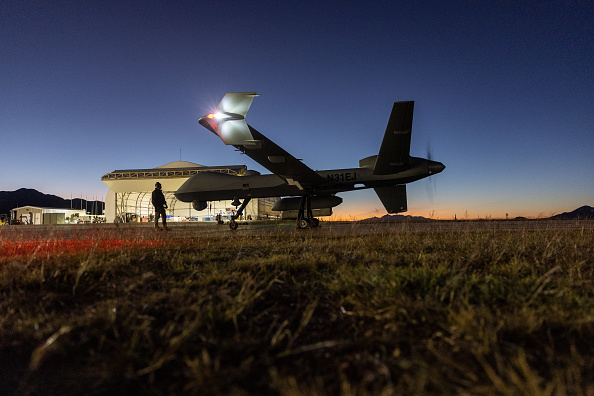
Last week, CNN and the New York Times reported the CIA was using MQ-9 Reaper drones looking for fentanyl laboratories in Mexico.
The aircraft are not armed with weapons during surveillance operations although they are capable of conducting air strikes and have a range of more than 1,100 miles, according to a U.S. Air Force description of the drones.
Trevilla also told reporters whenever these type of support flights take to the air, it will be at the request and with permission from Mexican armed forces.
“It will be clear what route they’ll take and what information they are after,” he said.
Mexico’s Attorney General Alejandro Gertz Manero, also defended the collaboration with the U.S.
“We have to gain information, we’re helping one another and we’re conscious that we’re getting intelligence, it’s not spying, it’s technical and indispensable information,” Gertz Manero said.
 Read: Read More