



EL PASO, Texas (KTSM) — After a five-year pause, the U.S. Department of Education will resume collections on defaulted federal student loans, starting May 5.
The pause on collections began in March of 2020 due to the COVID-19 pandemic. However, those who are more than a year behind on student loan payments could face wage garnishment, tax refund withholding, and other forms of involuntary debt collection.
According to the Department of Education, about 43 million borrowers owe more than $1.6 trillion in student loan debt. Nearly 6 million borrowers are currently in default.
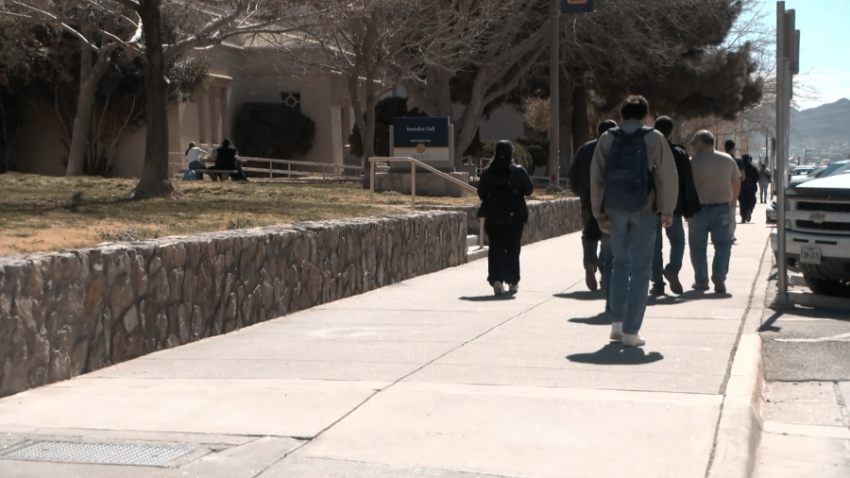
Sarah Glenn, a student at the University of Texas at El Paso (UTEP), said the policy shift has left her nervous about her financial future.
“It makes me really scared about my ability to have, be able to pay for, like, housing, which is also skyrocketing,” Glenn said. “Wage garnishment wasn’t something that we agreed to whenever we took out these loans initially, and it feels very predatory.”
Economists warn that resuming collections and adding wage garnishments could have ripple effects on the broader economy.
“Now have less disposable income because they’re going to have to resume their debt repayments. That can lead to, let’s see, reductions in terms of consumer spending,” Tom Fullerton, professor of economics at UTEP, said. “It can also lead to lower credit scores because it may hamper their abilities to service other types of debts they may have, and they may start to miss payments for other financial obligations.”
Former President Joe Biden championed student debt forgiveness, cancelling over $188 billion in student debt over four years in office.
Under Biden’s original proposal back in 2022 would have cancelled up to $10,000 of federal student loan debt for many borrowers and up to $20,000 for Pell Grant recipients.
The former president’s plan would have only applied to borrowers earning less than $125,000 a year and $250,000 for couples.
For those students at risk of default, options such as income-driven repayment, deferment, and forbearance are all viable options to relieve the immediate impact of collections or garnishment.
More information on student loans and options is available via the studentaid.gov website.
 Read: Read More