



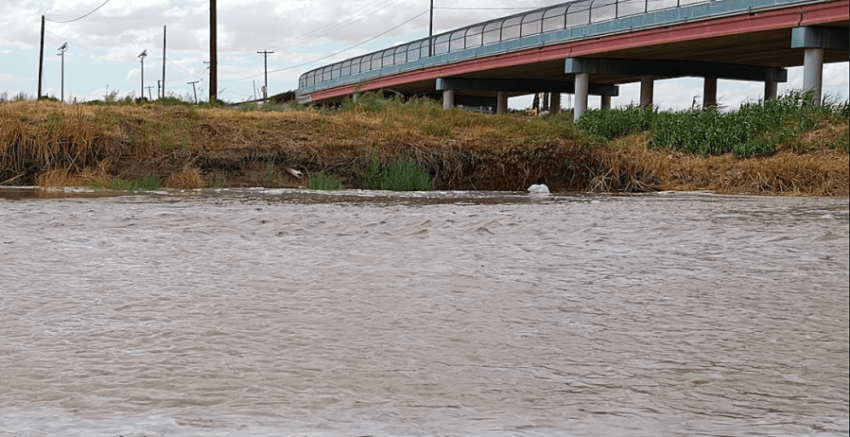
EL PASO, Texas (Border Report) – As temperatures begin to hit triple digits and reservoir water is released into the Rio Grande and area canals, the U.S. Border Patrol is warning migrants not to attempt illegal crossings that could put their lives in danger.
Border agents in the past two fiscal years have come across a combined 325 deceased migrants who drowned in bodies of water, fell from heights or succumbed to extreme temperatures in the El Paso area or the desert of southern New Mexico. They do not want a repeat of that in 2025.
“Historically, during summer months, U.S. Border Patrol agents in the El Paso Sector respond to numerous distress calls, resulting in rescues. Sadly, we have also seen fatalities — many of which could have been avoided,” the Border Patrol said in a statement Thursday.
The number of fatalities has dropped since October, on par with a diminished flow of migrants to the U.S. border. Border agents in Fiscal Year 2024 rescued 981 individuals with medical emergencies or from dangerous environments and encountered a record 176 deceased migrants in the El Paso Sector.
So far in fiscal year 2025, the agency has conducted 319 rescues and come across 28 bodies.
According to NewsNation, the agency apprehended around 2,000 migrants between ports of entry this past May in the region, so the potential for more tragedies is still there.
The agency attributes the fatalities to smugglers who mislead the migrants into thinking the American dream lies a short jog beyond the border wall. But deep irrigation canals await them north of the barrier in El Paso, while the New Mexico desert to the west can be unforgiving to those who lose their bearings.
“We urge all people to not fall for the lies of human smugglers,” the Border Patrol statement said. “Foreign Terrorist Organizations prioritize profits over human life and routinely abandon individuals in perilous conditions with no regard for their safety. Do not risk your life or the lives of your loved ones.”
The agency said it has specialized rescue units on call, has placed push-button rescue beacons in remote locations and coordinates with local first responders during medical emergencies.
 Read: Read More