



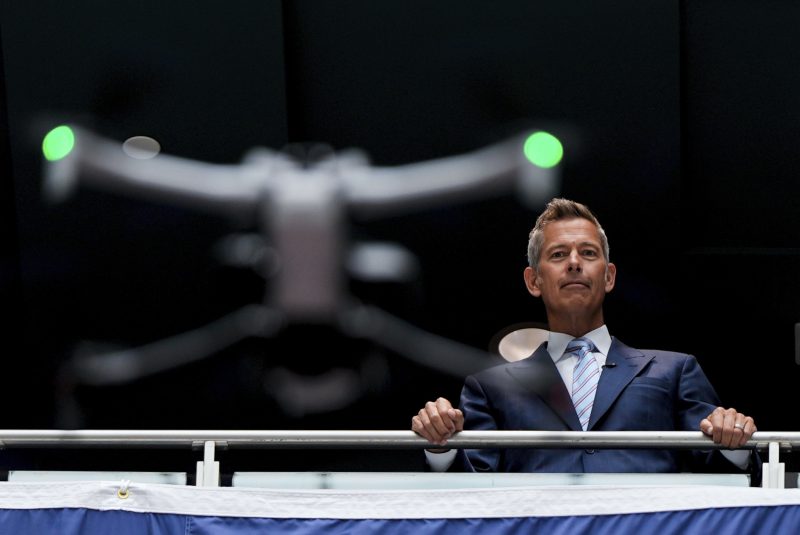
WASHINGTON (NEXSTAR) – From delivering medicine to inspecting power lines drones are about to fly farther than ever before.
On Tuesday, the Federal Aviation Administration unveiled a proposed rule that would allow certain drones to fly beyond the operator’s visual line of sight without needing a special waiver from the government. The move is expected to dramatically expand commercial drone operations across the country.
“You may change the way you get your Amazon package. You may get a Starbucks cup of coffee from a drone,” said U.S. Transportation Secretary Sean Duffy.
Until now, companies needed case-by-case waivers from the FAA to operate drones beyond visual line of sight, commonly known as BVLOS. This new rule aims to make those types of flights the standard while implementing guardrails for safety and accountability.
“The idea is to level the playing field here,” said FAA Administrator Bryan Bedford. “Rather than policy by exemption, the policy is the policy, and the industry will be able to innovate.”
The proposed rule includes safety requirements for drone operators and manufacturers, such as equipping drones with detect-and-avoid technology and protocols to prevent interference with manned aircraft and airport operations.
“These regulations will not only enhance innovation but will enhance safety,” Bedford added.
While the proposal has been widely praised by the drone industry, Secretary Duffy emphasized that local input remains essential stating, “Communities have to have a say in, do they want drone use in their communities?”
Industry groups welcomed the announcement, calling it a game-changer for sectors ranging from agriculture to emergency response.
“This industry is creating jobs and spurring economic growth for this country,” said Lisa Ellman, CEO of the Commercial Drone Alliance.
The rule change follows a directive from President Trump for the Department of Transportation to accelerate drone regulations while also ensuring national security protections are in place to guard against terrorism and espionage.
The FAA is now accepting public comments before finalizing the new rule. If adopted, the policy could mark a turning point in the integration of drones into American airspace.
 Read: Read More