



EL PASO, Texas (Border Report) – A U.S. resident returning form a trip to Mexico is facing multiple federal charges after officers at a port of entry allegedly found child sexual abuse material on his cellphone.
A federal grand jury in Del Rio, Texas, on Wednesday charged Orlando Oneill Anico with counts of possession, transportation, distribution and accessing with intent to view child pornography.
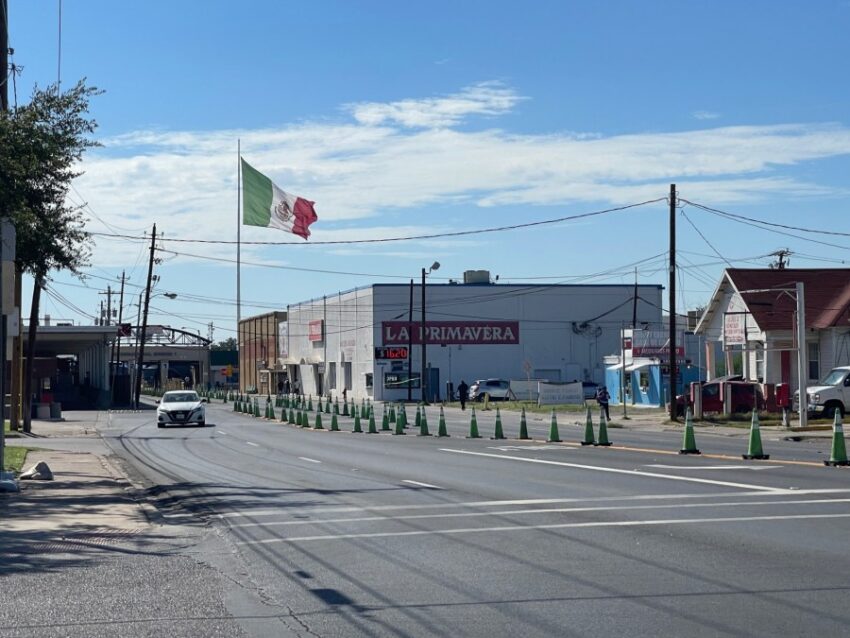
The charges stem from a Sept. 3 incident at the Eagle Pass 2 international bridge in Eagle Pass, Texas, where Anico applied for readmission to the United States coming from Piedras Negras, Mexico, and was referred to a secondary inspection area by U.S. Customs and Border Protection officers.
There, Homeland Security Investigations agents asked him if he was in possession of child sexual abuse material and if they could search his cellphone. Court records show Anico gave HSI permission to search the device; agents reported finding numerous images of prepubescent children and teenagers engaging in sex acts.
In a post-arrest interview with HSI, Anico described specific details about videos, which include an adult female attempting to have intercourse with a 7-year-old boy and a man compelling a 10-year-old female to perform sex acts, court records show.
During the interview, Anico allegedly volunteered he sent numerous images and videos of CSAM to others through Telegram group chats and received child pornography from other users.
Records show federal officials had been investigating Anico since at least Aug. 16 in connection with sending or receiving CSAM over interstate or foreign commerce.
A federal judge in Del Rio has ordered him detained without bond pending trial. The U.S. Attorney’s Office has filed a notice of forfeiture for Anico’s Samsung S22 cellphone and any other personal property that may harbor child sexual abuse material.
Federal law allows CBP officers to question all travelers and inspect all vehicles and conveyances such as luggage. Border officers also may search a traveler’s mobile phone, computer, camera, or other electronic devices during the inspection process.
“These searches have been used to identify and combat terrorist activity, child pornography, drug smuggling, human smuggling, bulk cash smuggling, human trafficking, export control violations, intellectual property rights violations and visa fraud, among other violations,” CBP states on its web page.
The agency says less than 0.01 percent of border crossers have had their cellphones or electronic devices searched.
 Read: Read More