



By Kent Paterson
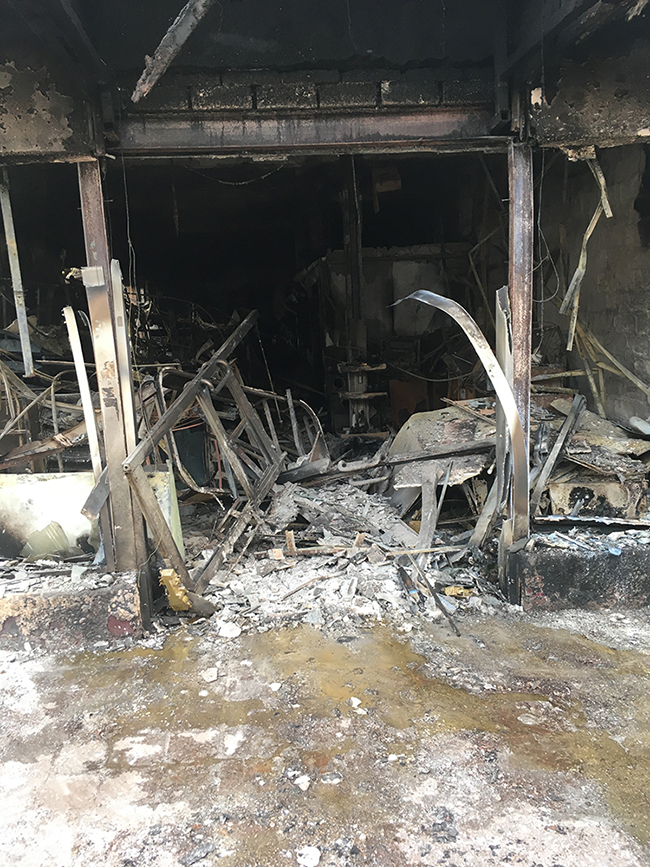
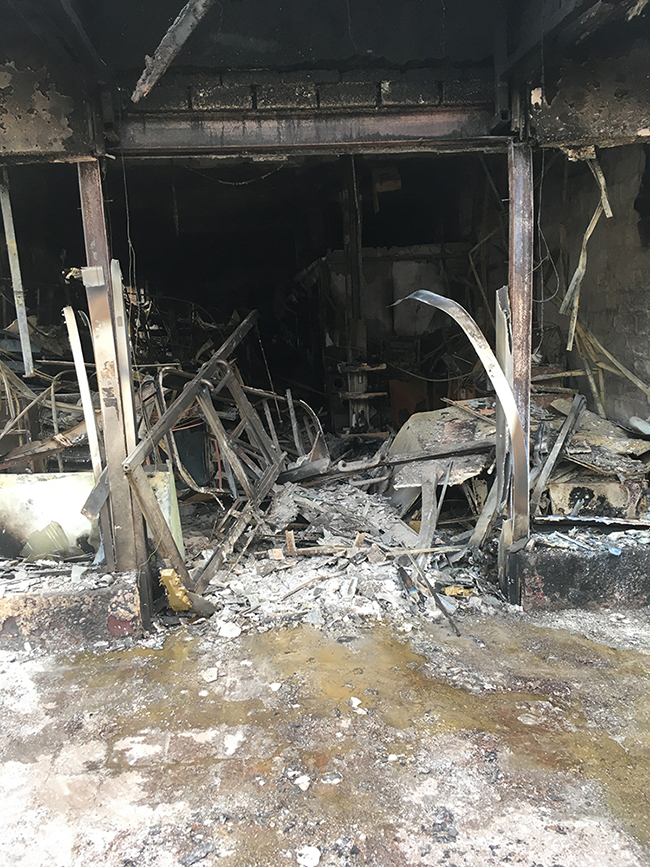
Fear, hunger, thirst and uncertainty. That’s what folks in Puerto Vallarta, Jalisco lived through on February 22, now undoubtedly one of the most infamous days in the Mexican port city’s history. A gray sky hung over the city by mid-morning as smoke from widespread arson fires drifted into the coastal hills and over the blue waters of Banderas Bay. The flames followed the detention and killing of the leader of the powerful Jalisco New Generation Cartel, Nemesio Rubén Osegura Cervantes, that Sunday morning.
Better known as “El Mencho,”the cartel boss was trapped along with several bodyguards and lieutenants by a special operation spearheaded by the Mexican army in Tapalpa, Jalisco, a rural community of the western Mexican state.
According to Mexican Defense Secretary Ricardo Trevilla Trejo, eight suspected cartel members were killed outright in the gun fire that ensued, while a severely wounded El Mencho and two similarly wounded companions died shortly afterward; three Mexican soldiers were wounded, General Trevilla said at President Claudia Sheinbaum’s February 23 morning press conference.
Well into the afternoon of February 22 in Puerto Vallarta, the smell of burned buildings lingered in the air. For most of the day, there was no sign of any law enforcement or government authority outside. It wasn’t until late in the afternoon that police and military patrols, the Red Cross, civil protection personnel and tow trucks were visible on the streets.
Quite simply, the attacks paralyzed Vallarta and a good swath of Mexico, with incidents reported by the Mexican media in at least 20 of Mexico’s 32 states. In Vallarta, roads were blocked by burned vehicles throughout the day, public transportation halted, taxis disappeared, most stores and restaurants stayed shut, flights to and from the international airport were canceled, and schools suspended classes and banks their services for the following Monday. Hotel workers in the tourism zone who typically travel to and from their jobs via the problematic municipal bus system to colonias, lower income neighborhoods where affordable housing has so far escaped the gentrification genie, were forced to walk hours in some cases to fulfill their employment duties.
“Stay at Home” was the stern message repeated on social media, by news reports and by a smattering of government messages. That advice was impossible for Vallarta’s homeless, some of whom were observed stuck outside as the evening marched on amid reports of scattered new attacks. Stray dogs and cats wandered about with few fresh food scraps available; one big orange and white feline looked positively lost in the absence of people and new morsels of garbage.
Sunday is usually a big day on the Malecon as tourists and residents stroll down an ocean front bubbling with street vendors and musicians and clowns. A big Sunday afternoon attraction is the popular dancing that takes place in Vallarta’s main plaza. But on February 22, the dancing shoes didn’t tap the pavement in Mexico’s Number Two tourist destination. The message emblazoned on popular t-shirt worn by gringo and Canadian visitors, “Never a Bad Day,” was suddenly debunked.
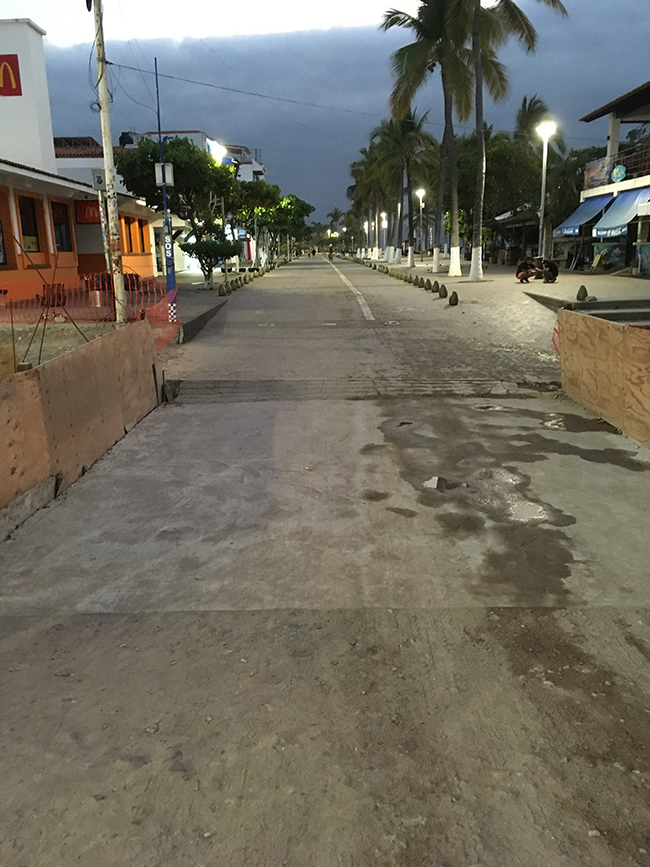
Not even during the worst days of Ciudad Juárez’s hyperviolence of 2008-12 did criminals succeed in completely shutting down the big Mexican border city at once as happened in Puerto Vallarta in 2026. Indeed, the events of February 22 invite comparison with the hurricanes that occasionally devastate Mexican coastal communities, forcing the suspension of normal business, educational and social activities.
Like many others trapped in the chaos, yours truly ventured outside in careful, tip-toe installments. Drinkers were especially in trouble, as bars and liquor stores were closed. While standing on a sidewalk, a man with enough alcohol on his breath to rev up an engine approached me and asked if I happened to have any wine or tequila stashed. “No, I don’t,” I replied. He drooped his eyes in sad response, said thanks and resumed a desperately tough search.
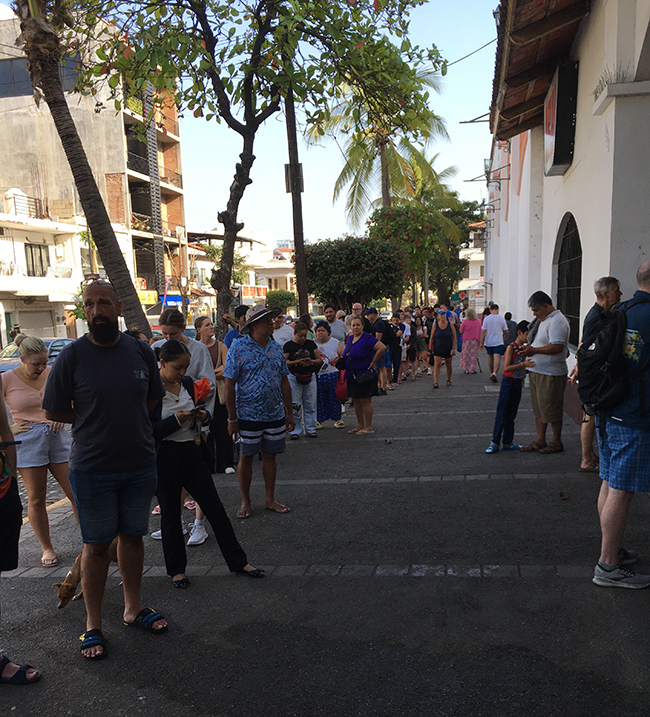
Suddenly, finding food entered a crisis mode. For almost the entire day, I managed without a bite. Then a few taco angels swung into action. Word got out that a nearby Mexican food dinery was giving free take-out meals to all comers. I joined a line that formed in front of the restaurant and had an interesting conversation with a first-time tourist originally from Brazil but now living in the U.S. “Welcome to Puerto Vallarta, Pacific Paradise!”
We waited for a good while as several workers inside assembled ingredients, heated them up in a microwave and packaged them on a to-go plastic plate for each growling stomach. My turn finally came and I was handed the plate through a wall opening. Featuring beans, rice, a hot dog and a small piece of bread, it was the best damn meal I’ve had in a long time.
Next morning, people were walking and driving along the streets again but businesses were still almost all shuttered. Public transportation was slow to return, a huge cruise ship was seen steaming out of Banderas Bay, and the bay glistened empty of boat traffic. A long line formed outside a supermarket. Grackles picked at uncollected trash, while an older woman who was seated outside a bank late the previous evening still sat plopped in front of the unopened business, a coffee cup and a beer can next to her.
Read: Read More