




By El Paso County Commissioners David Stout and Iliana Holguin, and El Paso City Representatives Josh Acevedo, Chris Canales and Lily Limón
As city and county elected officials who represent the districts and precincts in El Paso that include our ports of entry, we know the future of the Paso del Norte region depends on a border that works for both commerce and communities.
That is why we support the $600 million modernization plan for the Bridge of the Americas Land Port of Entry, a project that can improve efficiency and security while also improving the quality of life for nearby residents.
The General Services Administration, the federal agency which manages facilities for agencies including U.S. Customs and Border Protection, is preparing to bid work on the historic renovation of the BOTA facility. The project will help residents of El Paso and Ciudad Juárez move more smoothly between our sister cities, benefiting the tens of thousands of people who cross daily to work, shop, study, receive medical care and spend time with family and friends.
As part of the plan, commercial traffic will shift from BOTA to three major crossings: Santa Teresa-San Jerónimo to the west and Ysleta and Tornillo to the south and east. For federal authorities, this allows more focused port security.
For the public, it matters because border infrastructure is inseparable from public health, mobility and neighborhood stability.
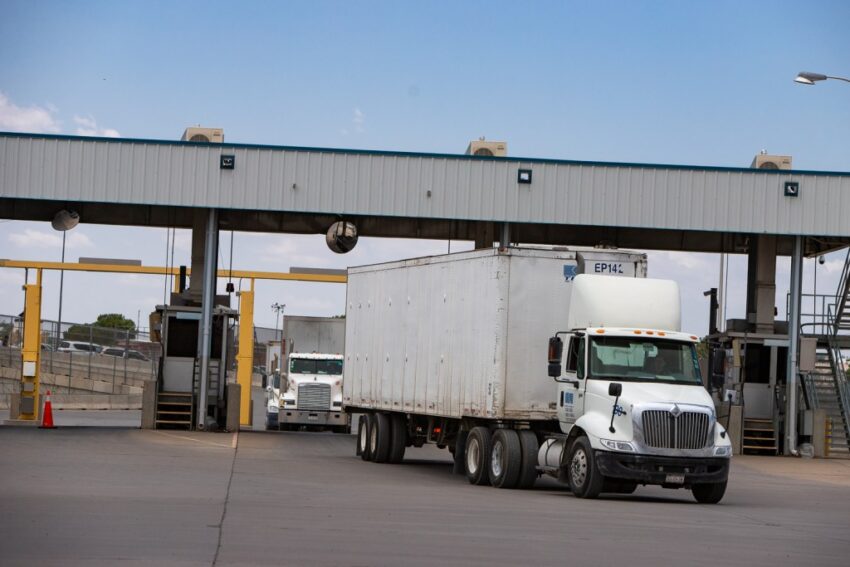
BOTA sits in the middle of a dense urban corridor, and although commercial truck crossings have declined significantly, the remaining traffic still creates serious bottlenecks and environmental burdens. Idling trucks clog highways, bridges and connecting roads, worsening pollution and mobility challenges for South-Central El Paso residents. Reserving BOTA primarily for passenger traffic, while redirecting commercial traffic outside the urban core, is smart regional planning – not anti-trade or anti-business.
El Paso County has spent years partnering with federal and binational agencies to expand capacity and connectivity at the Tornillo crossing – investments that are beginning to pay off.
Improved transportation infrastructure on both sides of the border is positioning Tornillo as a modern logistics gateway. The city of El Paso is also investing more than $20 million in improvements at the Ysleta Port of Entry, including intelligent transportation systems and enhanced pedestrian access.
But commercial trucks are only one part of the economic engine at our ports of entry. Just as important is the daily movement of people whose spending sustains businesses throughout the region. Visitors from Mexico contribute more than $2 billion annually to El Paso’s economy, especially during holiday shopping seasons. Visiting families often spend hundreds of dollars per trip on retail purchases, while Mexican travelers contribute tens of millions monthly to local restaurants, grocery stores, entertainment venues and other businesses.
All of this is why both the El Paso City Council and El Paso County Commissioners Court unanimously supported the GSA plan, finalized a year ago after extensive study and consultation. We were encouraged that GSA listened to local leaders and thousands of residents who supported the change. We are confident the agency will stand by a decision that reflects overwhelming public support and a constructive vision for El Pasoans and Juarenses alike.
However, we recently learned that the Greater El Paso Chamber of Commerce has begun back-channel efforts to undo the decision, trying to circumvent the public process and placing the $600 million project at risk.
Although the Chamber participated in GSA’s public outreach process, it has since pursued influence beyond what is available to the general public. That includes hiring a lobbyist with access to high-level administration officials, meeting with elected leaders and federal agencies in Washington, D.C., and soliciting support letters from business leadership program participants with little or no apparent connection to the project.
In seeking to reverse course, the Chamber is disregarding the economic benefits of smoother passenger crossings, the health and quality of life of residents on both sides of the border, and ultimately the will of the public. During the BOTA public input process, GSA received more than 12,000 comments, with 93% supporting the removal of commercial traffic.
We urge the Chamber to stop opposing a project with overwhelming community support and instead focus on advancing the broader regional investments underway across our ports system.
Border infrastructure decisions shape communities for generations. The choices made today will determine whether central El Paso remains burdened by outdated traffic patterns or becomes a healthier, more connected urban corridor that supports small businesses and binational quality of life.
We ultimately want the same thing as the Greater El Paso Chamber of Commerce: a network of international ports of entry that serves the region effectively and efficiently. Achieving that requires cooperation, long-term planning, and investment across the entire regional system, not last-minute attempts to overturn a publicly supported decision.
The Borderland region does not have to choose between commerce and community. With thoughtful planning and continued investment in our regional ports system, it can, and must, have both.
The post Opinion: BOTA project serves community and commerce; Chamber’s actions put that at risk appeared first on El Paso Matters.
Read: Read More