



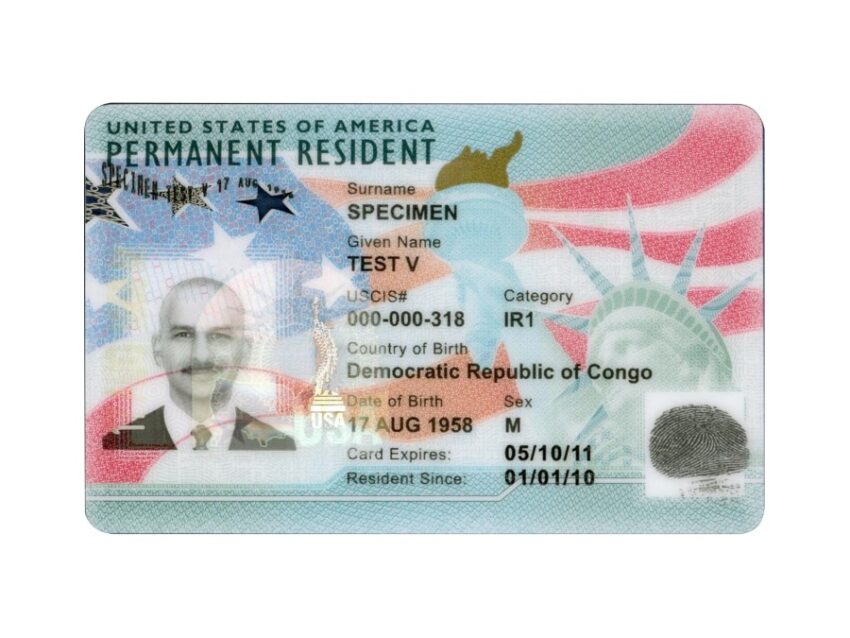
McALLEN, Texas (Border Report) — Rules and regulations for those holding green cards appear to be getting tougher under the Trump administration with the arrest in New York of a former Columbia University student who was a permanent legal resident and vocal pro-Palestinian supporter who is now facing deportation.
That has immigration lawyers and migrant advocates throughout the country concerned.
In this week’s Border Report Live show, we discuss how the immigration landscape appears to be changing under the Trump administration, which vows to deport anyone with ties to terrorist organizations.
We also will discuss the opening and closing of detention and immigrant processing facilities along the Southwest border.
Green-card holder rules
On Thursday, about 300 people occupied Trump Tower in New York City protesting the arrest Saturday of Mahmoud Khalil.
Khalil is a former Columbia University student who was born and raised in Syria and has been living in the United States as a lawful permanent resident.


However, the Department of Homeland Security officials said Saturday that his green card was revoked and now he is being held in a Louisiana immigration detention facility and facing deportation.
Rules for green card holders say they cannot give material support of terrorist organizations, according to U.S. Citizenship and Immigration Services.
This normally apples to monetary donations, however, in the case of Khalil, DHS officials say he publicly supported Hamas last year during the protests at Columbia University, where he has been identified as a leader of the pro-Palestinian student protesters that occupied several encampments at the university for several months.
Here are rules that green-card holders must abide by:
- They must live in the United States and avoid travel outside the country that exceeds six months.
- They cannot have a criminal record. Green cards can be revoked for serious crimes like assault, murder and even excessive DUIs.
- Only immigration judge can make decision to revoke immigration status.
Deported veterans
Others who have repeatedly faced deportation over the years include veterans. Although some are being allowed back under temporary humanitarian parole, but they must reapply every two years.
Non-citizen veterans can be deported for committing offenses like drug driving, drug possession and having unregistered firearms and domestic violence.
Once deported they face a five-year ban.

Southwest Key shelters closing
Unaccompanied migrant children who cross the border will no longer be put in shelters operated by the country’s largest provider, Southwest Key Programs, the U.S. Department of Health and Human Services announced Wednesday.
Southwest Key had operated 27 residential shelters for unaccompanied children in three states: Texas, Arizona and California.
The decision to break ties came after a civil lawsuit filed by the Department of Justice alleging that employees at the migrant shelters had subjected children to a pattern or practice of sexual abuse and harassment.
The lawsuit was dropped, Justice Department officials announced this week.
CBP mobile centers closing
All but two soft-sided U.S. Customs and Border Protection processing facilities that were built along the Southwest border are being shut down, officials tell Border Report.
The facilities remaining open are in El Paso and San Diego.

The Centralized Processing Center in Donna, Texas, processed over 611,000 migrants including 223,000 unaccompanied children and 360,000 families with children since opening in 2021.
The closing of facilities comes as CBP released new border encounter numbers Wednesday showing the biggest drop in immigrants trying to cross into the Southwest border in February DHS history.
“The men and women of U.S. Customs and Border Protection continue to aggressively implement the President’s Executive Orders to secure our borders, and as a result of this leadership, we have achieved historic lows in border apprehensions,” CBP Acting Commissioner Pete Flores said.
Border Patrol reported 8,347 encounters of immigrants on the Southwest border in February, down from 29,101 in January. That’s down from 140,641 encounters in February 2024.
Sandra Sanchez can be reached at SSanchez@BorderReport.com.
 Read: Read More