



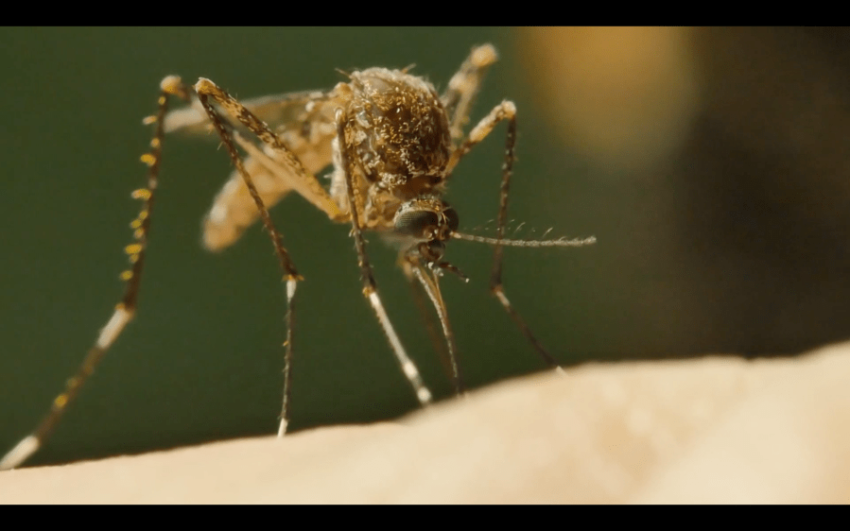
EL PASO, Texas (KTSM) — The first death this year from the West Nile Neuroinvasive (WNV) disease has been confirmed by the City of El Paso Department of Public Health in a news release.
The patient was a man in his 60s with underlying health conditions, according to the city.
“The severe, central nervous system form of West Nile Virus disease is extremely dangerous and can lead to potential complications, disability or even death,” said City-County Health Authority Dr. Hector Ocaranza. “With the recent rain, it is imperative that the public take precautions to reduce the risk of getting infected with WNV by practicing the four Ds to prevent mosquito bites.”
Symptoms of West Nile infection include fever, headache, tiredness, body aches, nausea, vomiting, and swollen lymph glands.
Most people infected with WNV will not develop symptoms. However, about one in five people will develop West Nile fever, a mild illness characterized by fever, headache, body aches, joint pain, or rash, according to the city.
Severe cases may progress to WNV disease, which the city said causes brain inflammation, fever, and neurological symptoms.
Approximately one in 150 infections leads to severe illness, and about 1 in 10 severe cases are fatal, according to the city.
People over 60 and those with underlying conditions such as cancer, diabetes, hypertension, kidney disease, or a history of organ transplantation are at the greatest risk of serious illness.
El Pasoans can help ‘fight the bite’ by following these four easy prevention steps, according to the city:
- DEET: Use insect repellents that contain DEET when outdoors.
- DRESS: Wear long sleeves, long pants, and socks when outdoors.
- DUSK & DAWN: Although mosquitoes associated with WNV can be active throughout the day, residents should take extra care during peak mosquito biting hours (from dusk to dawn) or consider avoiding outdoor activities during these times.
- DRAIN: Drain standing water from flowerpots, gutters, buckets, pool covers, pet water dishes, and birdbaths. After rains or lawn watering, residents should “tip and toss” any standing water they find outside.

Residents are encouraged to mosquito-proof their homes by installing or repairing window and door screens.
Standing water or mosquito breeding sites can be reported by calling (915) 212-6000 or dialing 311.
For more prevention tips, visit EPHealth.com under the Be Climate Ready tab.
 Read: Read More