



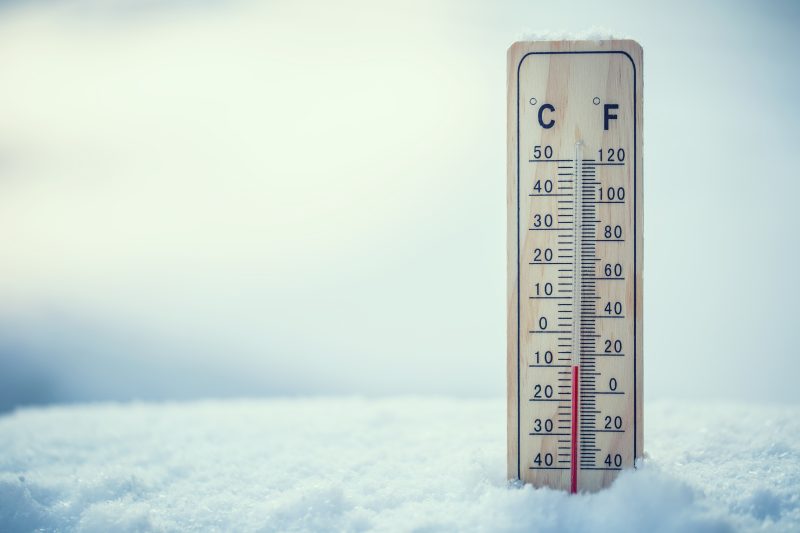
EL PASO, Texas (KTSM) — With extreme cold and maybe even snow coming to the Borderland region, the Texas Department of Public Safety (DPS) is reminding drivers and pedestrians to be prepared and cautious while out and about in the winter weather.
According to DPS, everyone is encouraged to take safety precautions by checking your vehicle’s battery, windshield wipers, tire pressure, tire treads, and fluid levels, as well as ensuring the doors and trunk locks are properly working.
In addition, DPS also recommends having a well-stocked emergency kit with warm clothes, food, water, a cell phone battery/charger and a first-aid kit.
Here are some other winter weather road tips from DPS:
Monitor local weather broadcasts and check the latest weather conditions from the National Weather Service before you hit the road.
Avoid traveling when sleet, freezing rain or snow is predicted and monitor road conditions by visiting Drive Texas or calling 1 (800) 452-9292.
If you must drive in inclement weather, allow extra time to reach your destination. Share your travel plans with a friend or family member so someone knows the route you’re taking.
On icy roads, drive slowly and increase the distance between your vehicle and others, as you may need additional room to stop.
Do not use cruise control.
Ensure your vehicle has a full tank of gas.
Be aware that ice accumulates on bridges and overpasses before drivers may see it on roads, so approach them more slowly in winter weather.
Watch for downed trees and power lines. If a stoplight is out, treat the intersection as a four-way stop.
DPS also included the following winter weather home safety tips:
Use an all-hazards weather radio for up-to-date warnings, watches, forecasts and other hazard information.
Sign up for calls or texts from your local emergency notification system.
Insulate outside faucets and pipes near outer walls.
Make sure furnaces, heaters, fireplaces and wood stoves are clean, well-ventilated and in good working condition.
Keep space heaters at least three feet away from walls and combustible materials, including furniture and bedding. Turn them off when you’re away or sleeping. Also, ensure space heaters cannot tip over and there is no damage to the cord.
To prevent carbon monoxide poisoning, never operate a generator or other fuel-powered device inside a home, garage or other enclosed space. The odorless, colorless gas is deadly and is produced any time a fossil fuel is burned. Consider installing a carbon monoxide detector in your home.
Never heat your home with a gas stove or oven.
Check on friends and family members whose health or age may put them at greater risk.
Stock up on firewood and supplies, including canned goods, bottled water and medication.
Read: Read More