



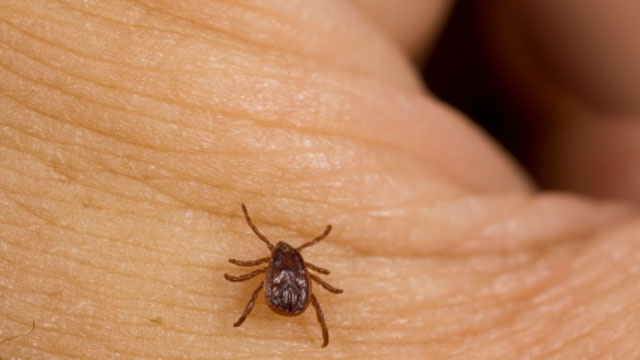
EL PASO, Texas (KTSM) — The El Paso County Commissioners Court passed a motion on Monday, July 28, to launch a public educational campaign in El Paso to help prevent the spread of Rickettsiosis, a tick-borne disease that has killed 27 people in Ciudad Juárez.
El Paso County Animal Welfare Interim Director Crystal Reyes held a presentation for the County Commissioners Court, asking for the approval and authorization of a public education tick prevention campaign to inform and protect El Paso residents.
Reyes said the Animal Welfare Department attended an informational meeting in Juarez on the disease this past Saturday, July 26, where officials spoke on the cross-border collaboration to strengthen response efforts.
“A joint approach would help ensure residents in our border community receive consistent information and access to prevention resources. This type of coordination is key to preventing any spread and improving health outcomes on both sides of the border,” Reyes said.
Rickettsiosis, a tick-borne disease, has killed 27 people this year in Juarez and mostly affects children between the ages of five and nine.
Early symptoms such as fever, stomach discomfort, nosebleeds, and flu-like symptoms can occur and can be misdiagnosed as common illnesses, which can lead to delays in diagnosis, Reyes said.
In response to the outbreak, Juarez authorities have launched targeted fumigations in humid southern neighborhoods where tick populations are more concentrated and have launched educational campaigns for tick/flea prevention, pet vaccinations, and environmental hygiene.
Reyes said public education campaigns would be established in high-risk areas of El Paso, including Tornillo, Clint, San Elizario, Fabens, and Canutillo, because these areas are heavily cropped.
The Department plans to strengthen public health campaign efforts in vulnerable areas of El Paso by working in close coordination with El Paso and Juarez officials.
“These efforts should address the issue comprehensively, targeting both the zoonotic aspects of the outbreak, such as animal-to-human transmission, tick and flea control, and pet vaccination, as well as the broader public health implications, including early symptom recognition, community education, and timely access to medical care,” Reyes said.
 Read: Read More