



We hope you had a restful holiday, or at least as peaceful as it can be considering the dire shape our country is in. Five years ago, I remember watching on television as Trump’s violent attempted coup unfolded at the Capitol on January 6. Fast-forward, and we’re now faced with ham-fisted imperialism in Venezuela, billionaires controlling the White House and the media, the unrelenting onslaught of AI, an impotent Congress, and people kidnapped by masked men in the streets. And then there are the upcoming midterm elections.
What a year 2026 will be.
We’re in for a bumpy ride. But as we kick off the new year, it’s also an opportunity for individuals and collectives to focus our intentions on helping create a better country and a better world. To meet this moment, The Border Chronicle will be undergoing a big change. By the end of January, we will have transitioned from Substack to Ghost, an independent, nonprofit newsletter platform. As legacy media and social media are increasingly captured by MAGA-aligned billionaires like Elon Musk and David Ellison, we at The Border Chronicle believe we need to be as independent as possible and intentional about choosing the tech platforms we work with. When we launched The Border Chronicle in 2021, Todd and I embarked on this project with a Substack grant for local reporting. Back then, the company was touting its unwavering support for the independence of journalists, writers, and thinkers. But since then, the platform has raised capital from the same wealthy people who support Tucker Carlson, and it has platformed and even promoted Nazis. It has increasingly made its business about capturing readers on its platform to monetize those interactions and appease their billionaire backers while collecting 10 percent of any paid subscription proceeds that we and other independent outlets make.
So it’s time for a change. Ghost is a nonprofit and takes no outside investment from venture capital or billionaire tech bros. It also doesn’t take 10 percent of our earnings, but a much smaller slice depending on our number of subscribers. Most importantly, it has a code of conduct that does not allow Nazis on its platform.
So what will this transition mean for you?
If all goes to plan, you won’t even notice the migration. We will be working with Outpost, an independent publisher’s cooperative that will help us redesign our site and migrate to the Ghost platform. We have been assured by Ghost and Outpost that the transition should be seamless and that there will be no disruption to our subscribers.
This means you will continue to receive our articles and podcasts in your inbox every Tuesday and Thursday, along with our news roundup on Friday, without interruption. There’s no action you need to take other than to share The Border Chronicle with friends and family and help us become sustainable. With the rise of AI-generated content and the weaponization of propaganda and disinformation online, the information space is choked with garbage. Making matters worse, search engines like Google now direct readers to AI summaries rather than to the outlets and real-life journalists who report on the news from their communities, starving small independent outlets like ours of subscribers. This is why we need readers like you to share The Border Chronicle with friends and family. We also need paid subscribers and donations to continue this work. We are the only independent outlet reporting region-wide on the U.S.-Mexico border. This means we have experienced bilingual journalists deeply rooted in their border communities, and we also highlight the perspectives of border residents and experts to counter disinformation and false political narratives about the borderlands while providing you with fact-based, quality reporting. We want to challenge preconceived notions about the borderlands, even our own, and create a community of ideas, fresh perspectives and solutions for a better future for our communities.
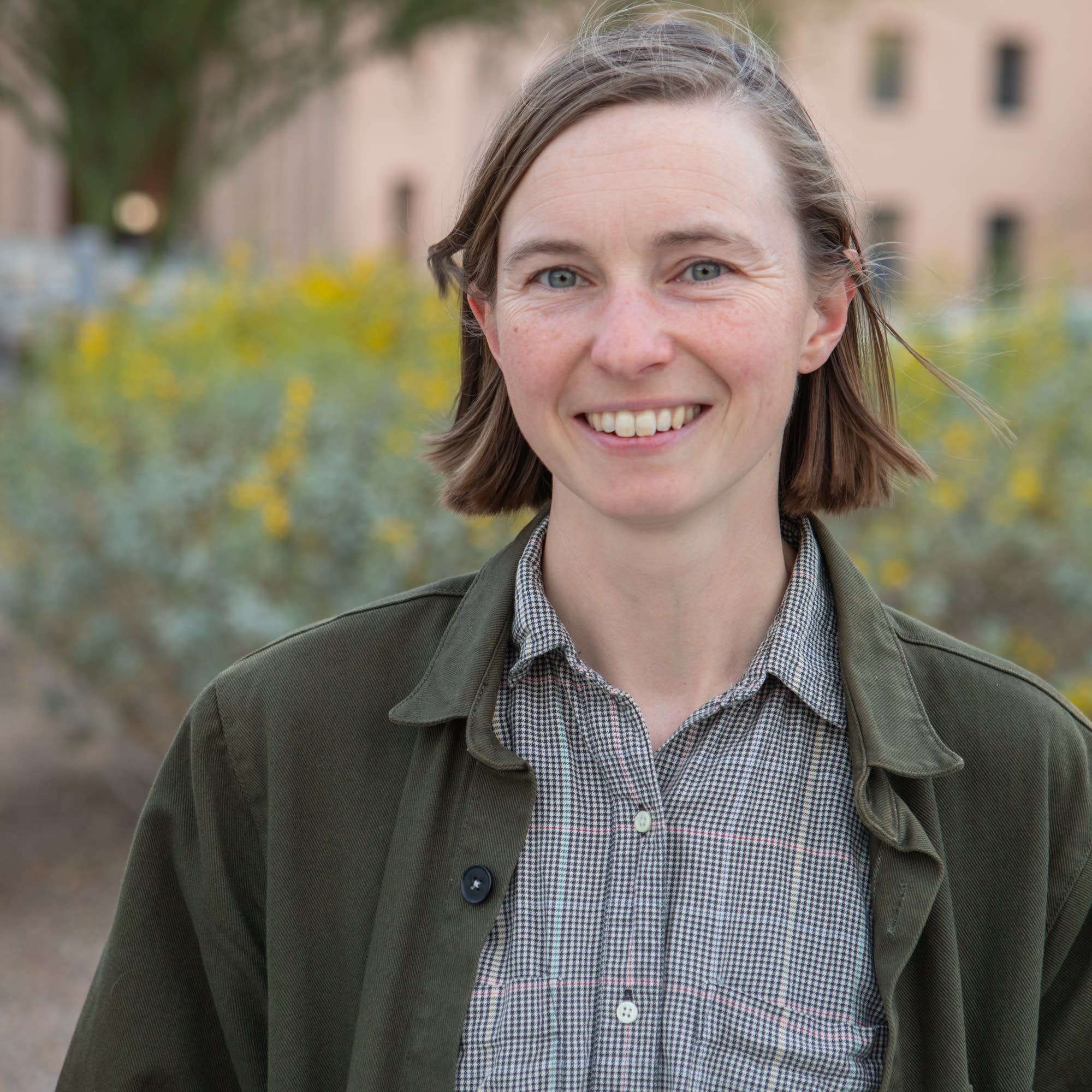
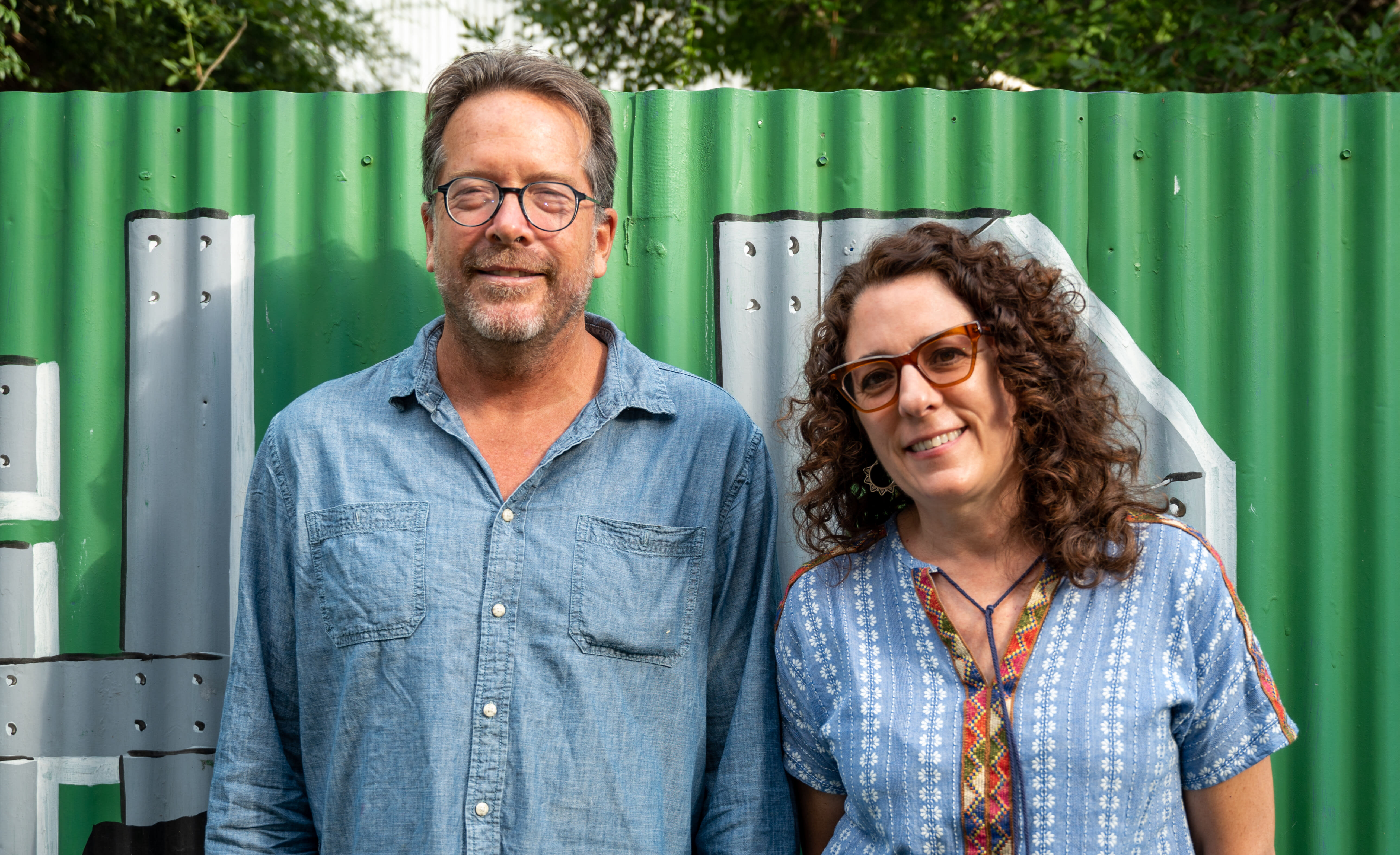
Since 2021, Todd and I have largely done this work alone while working other jobs to support our families. Last year, for the first time, however, with the help of grants, we were able to bring on two additional reporters: Pablo de la Rosa and Caroline Tracey. We are thrilled that Caroline will continue in 2026 as our arts, culture, and environmental reporter and editor. Caroline, who is bilingual, is based between Mexico and Tucson, and her addition to our staff means we will be substantially increasing our arts and culture coverage.
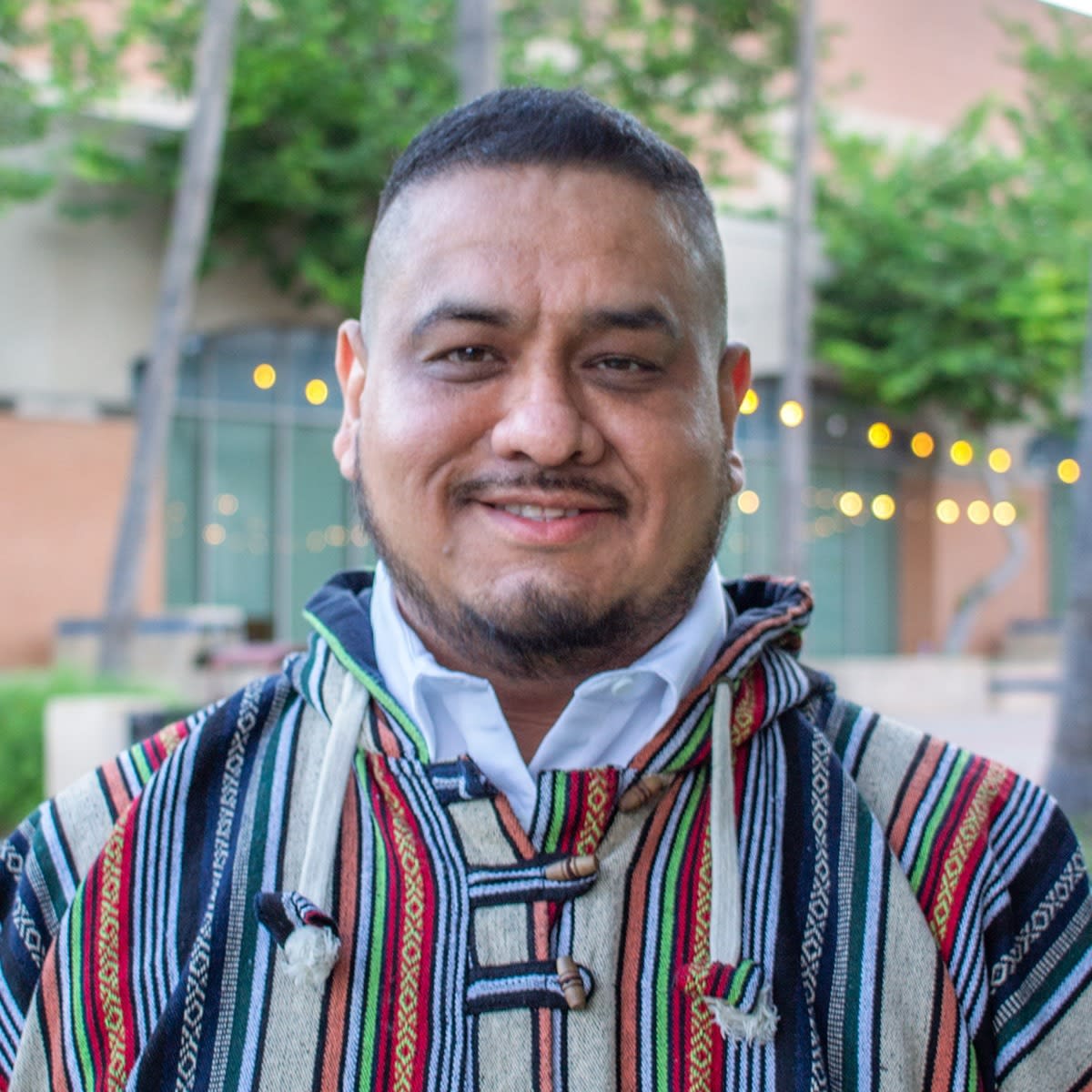
We are also actively fundraising to keep Pablo de la Rosa, who is based in South Texas, on The Border Chronicle staff in 2026. Pablo has been an invaluable addition, covering everything from SpaceX protests to the military’s creation of national defense areas at the border. Another big goal in 2026 is to raise the funds to hire a reporter at the California-Mexico border to help us accomplish our mission of representing the entire border region. In the future, we hope to work with more reporters in Mexican border communities as well. It’s good to think big!
With the launch of the new Border Chronicle site, there will be more ways to support our mission. We will highlight how you can help as soon as the new site is live in late January. In the meantime, please consider donating to us through our Border Chronicle PayPal account if you have the means to do so. We also want to thank everyone who donated or signed up as a paid subscriber in December after we put out a call for support. We send you a big abrazo from Tucson! Covering nearly 2,000 miles of international border is a huge challenge, but we believe wholeheartedly that the borderlands need accurate, fact-based local journalism that uplifts the perspectives and diversity of our communities. And we couldn’t do any of this without you, our readers and podcast listeners. ¡Mil gracias!
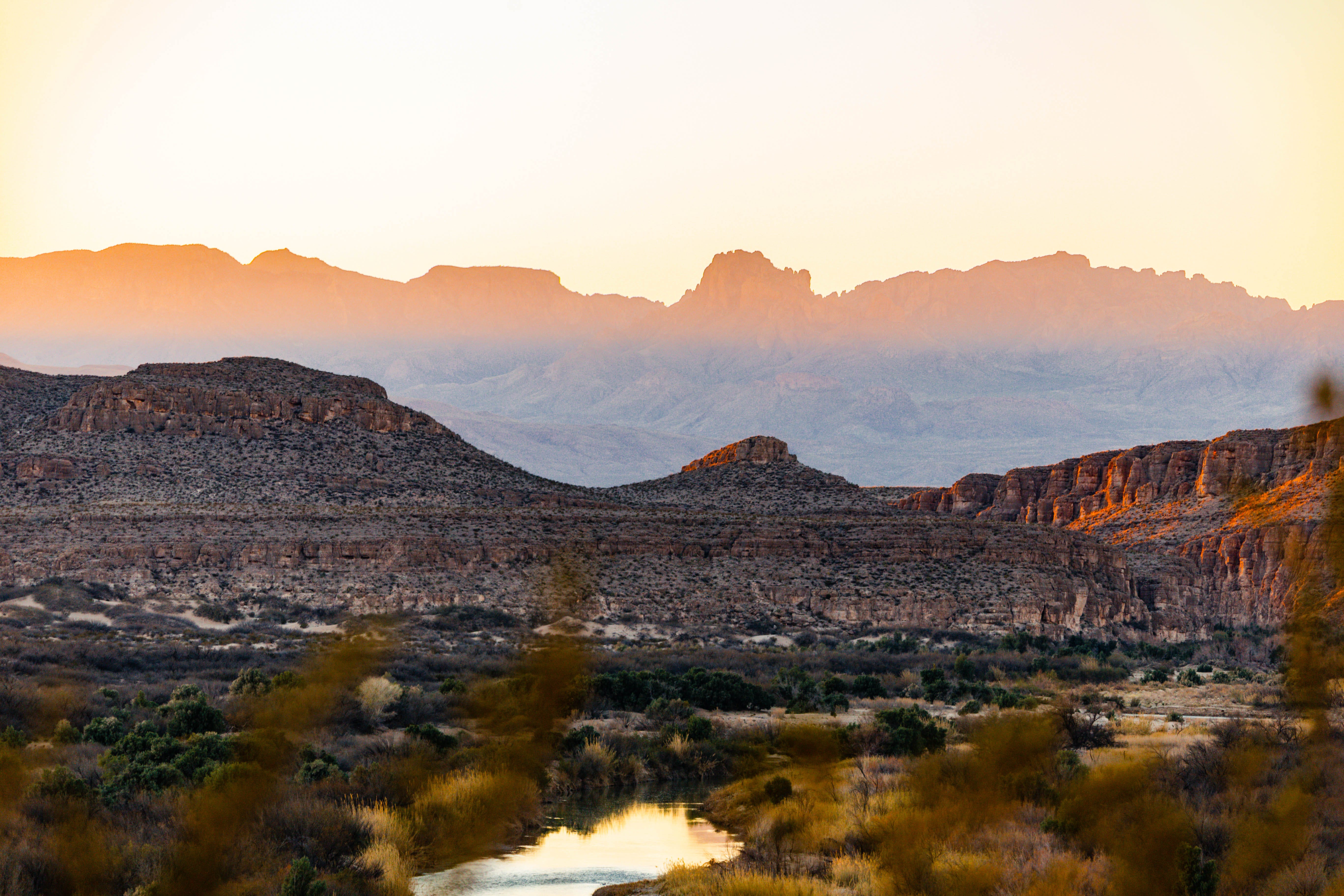
Before writing this, our first article in 2026, I looked back at my predictions at the beginning of 2025. I have to say I wasn’t far off. I predicted that the border security industry would continue to profit and grow, that billionaires would buy up legacy media and social media platforms in support of autocracy, and that immigration would continue to be criminalized. I also predicted that the Rio Grande and other water sources in the borderlands would continue to dry up due to climate change and extreme drought—a real crisis that elected leaders on both sides of the border still largely ignore.
All this, unfortunately, will continue at pace in 2026, and we will continue covering these issues with context and analysis from both sides of the border in the coming year, especially the extreme drought. You only have to look at this photo essay by Chihuahuan photographer Eduardo Talamantes, which we published in December, to see what is at stake as drought continues to devastate the region, indifferent to border walls or governments. The building of AI data centers, which require large amounts of electricity and water, will only hasten the crisis, as Caroline wrote in October about a data center slated for Doña Ana County in New Mexico.
Some other major issues we will see in 2026 are a review of the USMCA, or what used to be called the North American Free Trade Agreement. The review will take place in July, and the U.S., Mexico, and Canada are already seeking public comment on the trade agreement. Trump will likely saber-rattle over the U.S.-Mexico water treaty debt and inject it into trade discussions. In an April conversation, border business expert Jerry Pacheco told me Trump will likely use the threat of more tariffs as a cudgel to force Canada and Mexico to adhere to his wishes.
Every year, Todd covers the Border Security Expo, where private companies sell their surveillance and weapons tech to the Department of Homeland Security and other U.S. federal agencies. In April, Todd covered the expo in Phoenix, where many Trump cabinet members spoke, boasting that they would like to treat mass deportation “like a business.” Todd Lyons, the acting director of the Immigration and Customs Enforcement agency, said the goal was to make it “like Amazon, trying to get your product delivered in 24 hours.” Lyons continued, “So trying to figure out how to do that with human beings and trying to get them pretty much all over the globe is really something for us.”
Along these lines, the Trump administration is reportedly planning to open large-scale warehouses to hold people for deportation—two of which would be in Texas and Arizona, according to a recent report from the Washington Post. Already, many people have been held in inhumane and dangerous conditions, including at the Fort Bliss Army base in El Paso, which is ICE’s largest facility, now holding close to 3,000 people. Many people targeted by Trump’s dragnet have been deported without due process. Also, numerous U.S. citizens have been illegally detained. We will continue to report on this, as well as Trump’s further attempts to militarize domestic policy, including converting the border into militarized national defense areas.
There’s so much happening all at once; it’s a lot to cover and challenging to say the least. This is one of those periods in history when Americans will look back and wonder how and why we got here. At The Border Chronicle, our goal is to do our part in documenting truthfully what occurred, from the perspectives of those most impacted by these devastating policies. We aim to inform readers about the larger system at play—what we call the border security industrial complex. An ever-expanding network of government officials and private corporations profiting from surveillance, detention, and militarization that continues to grow at a tremendous cost to our society, no matter who is in the White House.
 Read more: Read More