



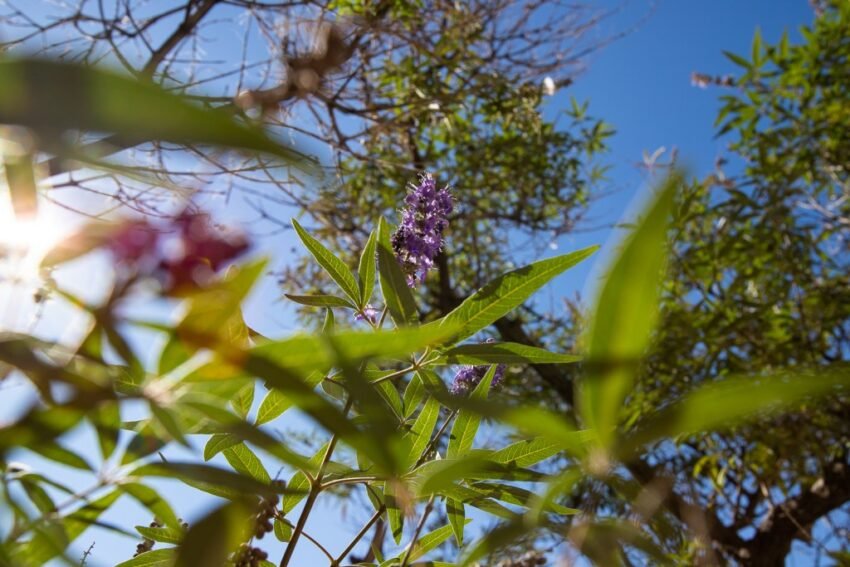

El Paso is in the midst of an unprecedented balmy streak, with the region going for months without seeing cold overnight temperatures that historically have been common.
El Paso has gone 251 days – since St. Patrick’s Day on March 17 – without the temperature dipping below 40 degrees. That is the longest such streak on record in El Paso.
El Paso has seen only 33 days of sub-40-degree temperatures so far this year. The forecast calls for temperatures to drop into the 30s on Tuesday and Wednesday before warming again for Thanksgiving and into the weekend.
This year’s lack of chilly nights at least approaching freezing is a continuation of a warming trend now into its third decade. From 1900 to 1999, El Paso had 62 years of at least 100 days with temperatures below 40 degrees. Since 2000, there’s been one such year.
From 1900 to 1999, El Paso averaged 102 days a year with temperatures below 40 degrees. From 2000 to 2025, the average was 85 such days. In 2024 and 2025, El Paso averaged 61.5 days where temperatures fell below 40 degrees, with 2026 on a similar path.
As a result, trees that once shed their leaves by Thanksgiving now hold onto them into the new year.
El Paso has not had freezing temperatures – 32 degrees or lower – since Feb. 5. If it doesn’t get freezing temperatures in the next 10 days – no temperatures near 32 degrees are forecast in that time – El Paso will eclipse its record of 300 consecutive days without freezing temperatures.
The median date for the first freeze of fall in El Paso is Nov. 15. The earliest first freeze was recorded Oct. 16, 1880; the latest was Dec. 20, 1939.
Freezing temperatures in El Paso have become more rare as the impacts of climate change have played out.
From 1900 to 1999, El Paso averaged 51.5 days a year with freezing temperatures. From 2000 to 2025, El Paso has averaged 38 days with freezing temperatures. In 2024 and 2025, El Paso averaged 19 such days.
The trend is similar for what is known as a hard freeze, or temperatures of 28 degrees or less. That’s the temperature that generally marks the end of growing seasons because water inside plants can freeze and expand, rupturing cell walls.
Between 1900 and 1999, El Paso averaged 29 days annually with hard freezes, or about a month of each year. Since 2000, the average has fallen to 19 days with hard freezes, or less than three weeks a year.
In the 20th century, El Paso had only three years with fewer than 10 hard freezes. El Paso has had three such years since 2012, with 2026 on track to also finish with fewer than 10 hard freezes.
The decline in hard freezes has obvious benefits. Heating bills are reduced, water pipes burst less frequently, and growing seasons are extended for farmers and gardeners.
But the decline also creates risks and challenges. Pests and diseases are more likely to survive winter, invasive species proliferate, native plants struggle to adapt to the changing ecosystem, and indoor and outdoor allergens flourish.
The post Analysis: Chilly fall and winter nights are becoming increasingly rare in El Paso appeared first on El Paso Matters.
Read: Read More