




This is your weekly news roundup, which takes a quick look at some developments in government, politics, education, environment and other topics across El Paso.
City Adds, Increases Animal Adoption, Restaurant Inspection Fees
The El Paso City Council this week approved increasing or establishing fees for animal adoptions and food establishments, effective Tuesday.
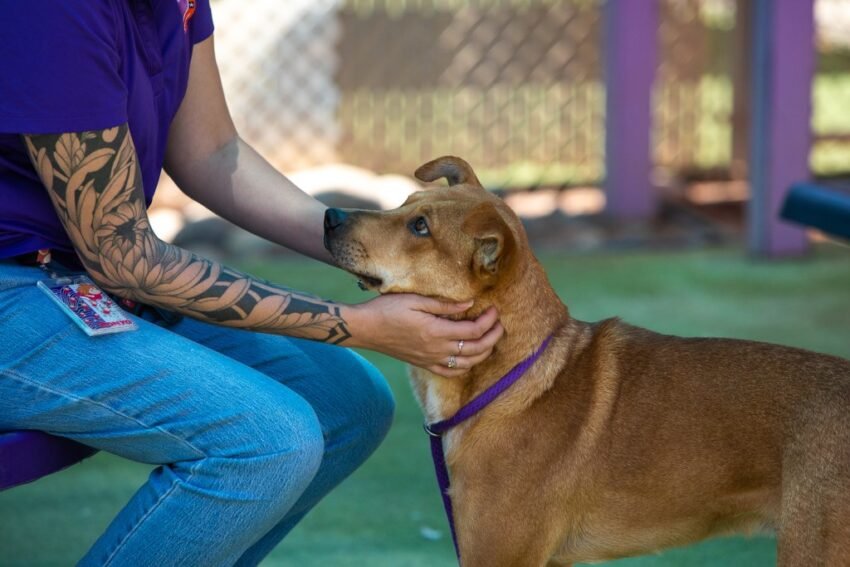
Animal Services adoption fees that previously were up to $110 now range as high as $198, though adoptions generally cost $30 for dogs and $5 for cats. City staff said the expanded range would give Animal Services flexibility to adjust prices depending on the circumstances.
The city also implemented new fees to spay and neuter animals.
Surgery fees for female dogs less than 40 pounds now range up to $160. For larger dogs, that new fee is up to $175. For male dogs, those costs are up to $140 and $160, respectively. The scale for female cats ranges up to $130 and up to $120 for male cats. Fees may be reduced or waived depending on the circumstance.
Food establishments now fall under two size categories rather than four: smaller than 6,000 square feet and larger than 6,000 square feet. The measurements apply to the area where food is prepared.
Inspections for the smaller establishments increased about 49% to $344. City staff said the state minimum is $258 and the cap is $773. The cost for inspections for larger facilities are set at $515 and did not change.
The fee changes were initially approved by a 6-2 vote with city Reps. Josh Acevedo and Ivan Niño voting against them. City Rep. Alejandra Chávez later in the meeting asked to revisit her vote and then voted against the fees, citing the potential impact to small businesses.
City Council Must Approve Future Use of License Plate Cameras
The city of El Paso can no longer enter any new contracts or agreements with Flock Safety or other automated license plate reader camera providers without a vote by the City Council.
The City Council on Tuesday unanimously approved a resolution that prohibits the El Paso Police Department or city manager from renewing, extending or entering new agreements with Flock Safety or other providers.
LEARN MORE: City of El Paso gives Flock 90 days to remove 150 cameras as public scrutiny grows
The resolution prevents future use of the technology unless council members, the city manager or Police Department bring a recommendation to the council for a vote.
The move comes after state grant funding was abruptly pulled by Gov. Greg Abbott ahead of the publication of a Texas Tribune investigation that revealed the state Motor Vehicle Crime Prevention Authority was enabling thousands of the cameras to be installed throughout the state funded by a $1 fee on Texas auto insurance policies.
EPPD stopped using the Flock Safety cameras shortly after Abbott paused state grant funding.
The City Council voted unanimously Sept. 15 to ask Flock Safety to remove its 150 cameras and equipment within 60 days – by Nov. 14 – otherwise the city would cover them up.
City Rep. Chris Canales, who has advocated to end their use and for their removal, said the cameras have begun to be removed but did not know how many have come down. EPPD did not immediately respond to an El Paso Matters request for comment.
Flock Safety and law enforcement agencies have been under scrutiny over privacy and surveillance concerns, including how the collected data could be used and potentially shared with other law enforcement agencies.
The El Paso Police Department entered an agreement with Flock Safety in May 2025 with $702,500 in state grant funding for its auto theft task force. The City Council approved the grant application, but did not know EPPD would use the cameras or contract with Flock for them. The Police Department followed proper procedures to enter the agreement, according to the city manager.

City Updates Ordinance for Correctional Facility and Halfway Houses
The City Council on Tuesday unanimously approved updates to the ordinance that regulates correctional facilities and halfway houses, including distance and permitting requirements.
Under the changes, apartments are now included in the existing 1,000-foot distance requirement from residential uses. A new regulation requires a half-mile buffer from residential districts, parks, schools, daycares and churches, though the City Council could approve exceptions.
New facilities will need to apply for a special permit which was previously not required and will no longer be allowed in the Central Business District, or C5 commercial zoning.
Halfway houses no longer have to re-submit their permits every two years.
Other changes included updating the definition of “correctional facility” to include any person detained who is pending a legal process. The language was not previously in the city code.
The changes do not apply to existing halfway houses or to federal facilities within the city limits, though an existing halfway house or correctional facility would need approval for significant changes.
The changes stem from a City Council effort that started in February to limit new mega federal immigration detention center operations, including Camp East Montana – a tent complex that opened on Fort Bliss property in El Paso in August 2025. The tent complex has repeatedly been under scrutiny for alleged human rights violations.
The city’s legal staff has said the City Council has limited authority when it comes to regulating a federal facility.
The post El Paso City Council restricts Flock cameras, increases fees for Animal Services, restaurant inspections appeared first on El Paso Matters.
Read: Read More